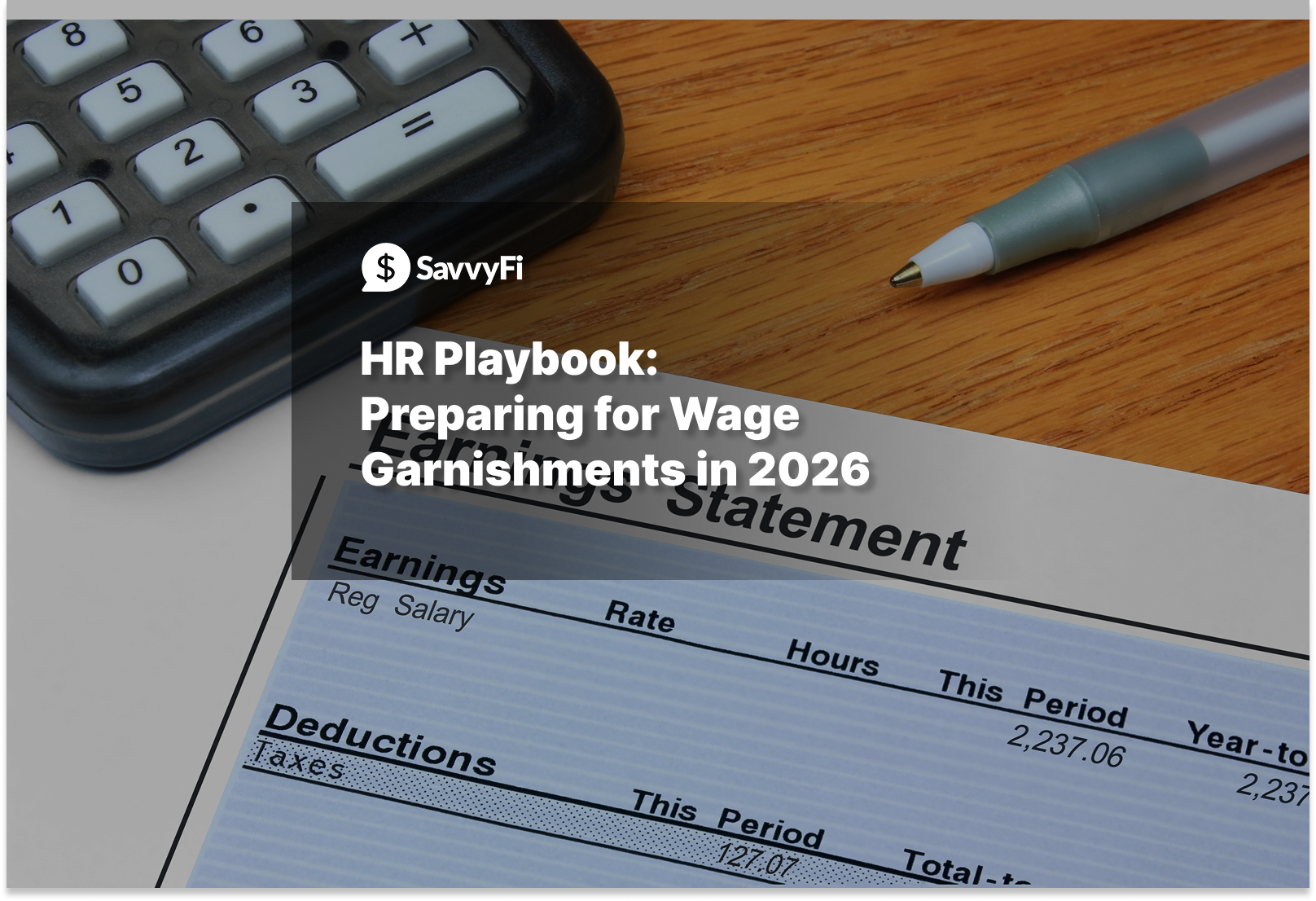
Beginning in early 2026, the federal government will resume wage garnishment for borrowers whose federal student loans are in default — ending the pandemic-era pause. Employers will be responsible for withholding a portion of an employee’s paycheck once garnishment notices arrive. PBS
According to U.S. Department of Education projections, millions of borrowers are currently in default — defined as at least 270 days past due — and could become subject to garnishment if they do not get back on track or resolve their default status. PBS
1. Monitor Payroll for Garnishment Notices
Wage garnishment notices typically arrive as formal paperwork that instructs payroll to withhold a set amount from a borrower’s net pay.
What to do now:
Confirm that payroll staff are aware garnishment may resume in 2026.
Make sure your payroll team knows how to process wage garnishment deductions correctly.
Set up a tracking process so notices are handled promptly and accurately.
Note: Legal requirements mean employers must comply — ignoring notices can expose your organization to penalties. The Economic Times
2. Prepare Clear Communication to Your Workforce
Employee concern increases when garnishment starts unexpectedly — particularly if staff haven’t been in repayment or default for years. Rather than letting confusion spread, provide a supportive, normalized message so that employees know the organization is aware and ready to help.
Canned message sample:
Subject: Important Info About Federal Student Loan Collections
With recent changes in federal student loan policy, collections activities — including wage garnishment — may begin again in early 2026 for borrowers whose loans are in default.
We know this can be stressful and confusing. If you receive any notification from the federal government or your loan servicer, please let HR know. We want to make sure you are aware of your options and connected with the right support.
As always, communication will be handled confidentially and respectfully.
This kind of message prevents rumors, reduces anxiety, and positions HR as a resource rather than a blocker.
3. Offer Support Through Expert Guidance
Many borrowers land in delinquency or default without realizing it. Once garnishment begins, employees may call HR first when they see a reduction in take-home pay.
Instead of leaving them to figure things out alone, consider bringing in a support partner — such as SavvyFi — that can help:
Assess individual loan status
Clarify repayment options
Guide employees toward rehabilitating their loans
Help them avoid or reverse default and wage garnishment
This kind of support helps employees regain financial stability and reduces stress that otherwise can affect focus, engagement, and retention.
Why This Matters for Your Organization
Resumption of wage garnishment follows years of paused federal collections. When payments paused during the pandemic, delinquencies and defaults grew but garnishment was suspended. Now that collections are restarting, many borrowers are at risk of seeing 15% of their disposable income withheld from paychecks if they remain in default. The Economic Times
Employers should prepare for this not just from a compliance perspective, but as a retention and culture issue. Unexpected garnishments can cause financial hardship for employees and create stress that impacts performance and engagement.
Proactive Steps for HR Teams
Before garnishment notices arrive:
Train payroll and HR on garnishment policies
Communicate proactively with staff
Make sure staff contact information is up to date (so garnishment notices are received)
Connect employees with support resources early
Once garnishment begins:
Provide empathetic guidance and point employees to repayment support
Track any trends in your workforce (number of garnishments, departments affected)
Evaluate benefit options that help staff avoid default in the first place
Bottom line: Wage garnishment is resuming in 2026, and it may affect millions of borrowers. Early preparation, clear communication, and access to expert support can make this transition much less disruptive for both employees and your organization.
About SavvyFi: SavvyFi is a user-friendly fintech platform that makes it easy for employers to provide college savings and student loan benefits to their employees. Because the company’s platform is “zero-touch” to HR — without any complicated systems, integrations, or paperwork — SavvyFi unlocks education financing capabilities to even the smallest employers that would not otherwise be able to offer these benefits.
Disclosure: Third-party quotes shown may not be representative of the experience of all SavvyFi customers and do not represent a guarantee of future performance or success.